History
A century of the Opry, in brief
How a 1925 barn dance on Nashville radio became the Grand Ole Opry: the name, the Ryman years, the 1974 move to Music Valley and the circle of old stage wood.
Choose a date and a section ↗Quick answer
The Opry began on 28 November 1925 as the WSM Barn Dance, broadcast from a studio in downtown Nashville. It took the name Grand Ole Opry in 1927, moved to the Ryman in 1943 and to the purpose-built Opry House east of downtown in 1974. Wikipedia calls it the longest-running radio broadcast in United States history.
A barn dance on the radio
The station WSM first went on air in October 1925, founded by the National Life and Accident Insurance Company; its call letters came from the company motto, We Shield Millions. On 28 November 1925 the station's new announcer and programme director launched the WSM Barn Dance from a fifth-floor studio in the company's downtown building, with a 77-year-old fiddler, and that date is celebrated as the Opry's birthday. Old-time string bands and fiddlers filled the early shows.
How it got its name
The name came from a joke. On 10 December 1927 the Barn Dance followed an NBC network programme of classical music and selections from grand opera. Introducing the first act of the night, the announcer told listeners that for the past hour they had been hearing music largely from grand opera, but from now on they would hear the Grand Ole Opry. The name stuck, and by the 1930s WSM's powerful signal had made it a Saturday night tradition in nearly 30 states.
The Ryman years
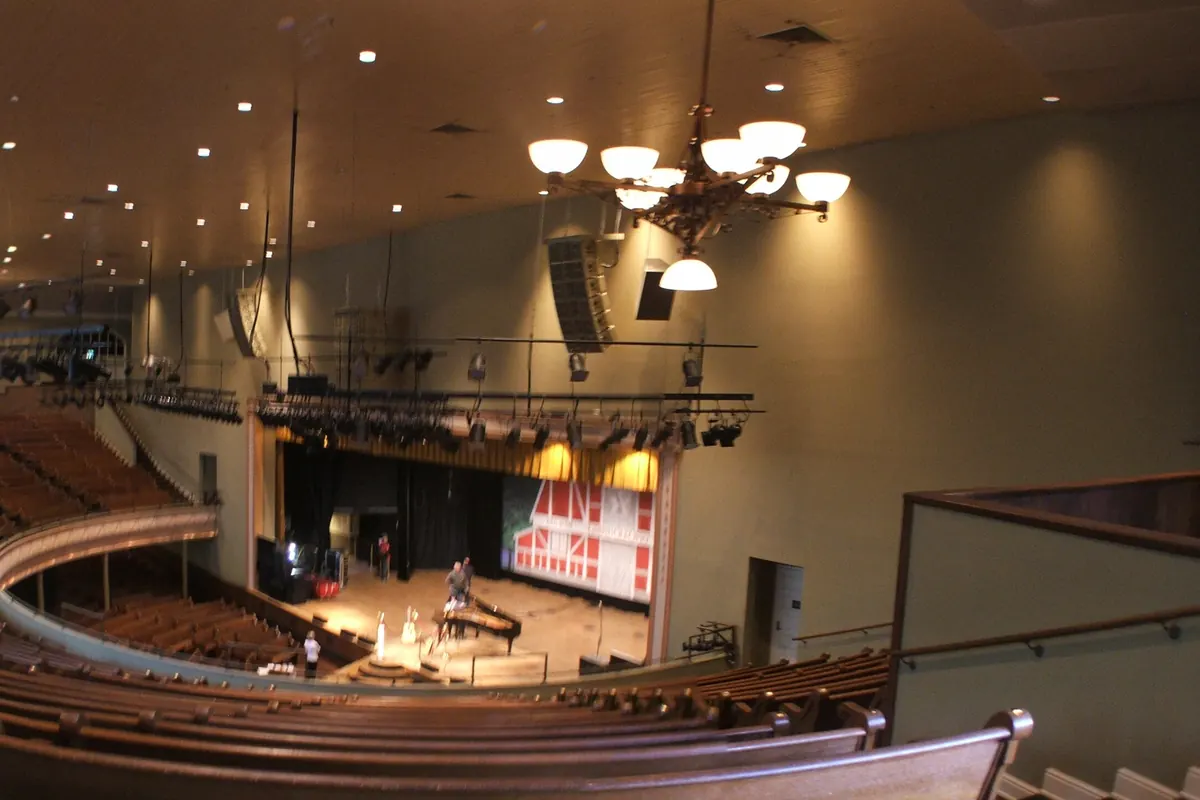
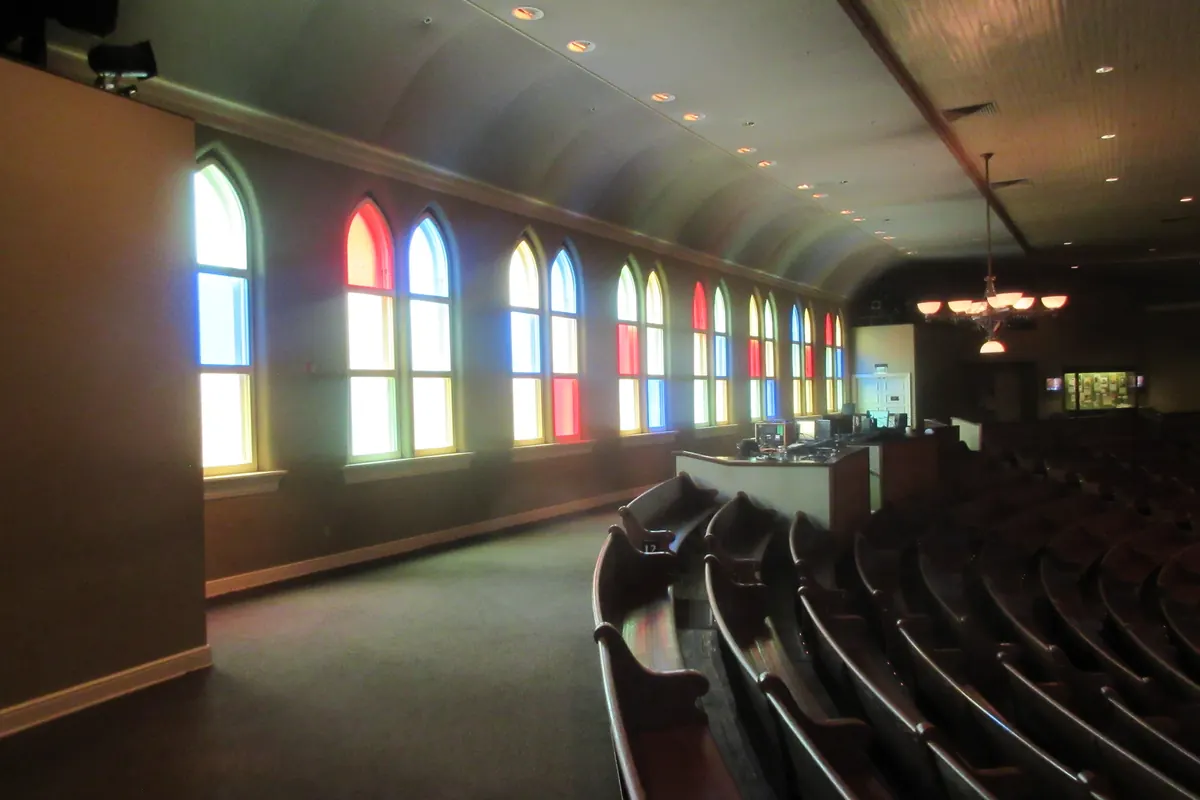
Crowds outgrew one venue after another: a larger studio, a theatre, a tabernacle in East Nashville and the War Memorial Auditorium. In June 1943 the Opry moved to the Ryman, a downtown hall opened in 1892 as the Union Gospel Tabernacle, and stayed for more than three decades. Its origins as a house of worship earned it the nickname Mother Church of Country Music. By the late 1960s, though, the building was ageing and the crowds were outgrowing it again.
The move to Music Valley
National Life bought farmland in the Pennington Bend area, east of downtown beside Briley Parkway, and built a new home with more seats, air conditioning, parking and television facilities. The last Opry show at the Ryman was on 15 March 1974; the new Opry House opened the next night. The theme park that once surrounded it closed after 1997, and the Opry Mills mall opened on its site in 2000. The Opry House was added to the National Register of Historic Places in 2015.
The circle of old wood
To carry the Ryman years into the new building, a six-foot circle of oak was cut from a corner of the Ryman's stage and set into centre stage at the Opry House, and most performers still stand on it. In May 2010 the Cumberland River flooded much of Nashville, and the Opry House stage, circle included, went under water. The broadcast carried on from other venues, the circle was restored, and the Opry came home to the Opry House in September 2010.
Back to the Ryman, and a centenary
The Ryman was restored and reopened as a concert hall in 1994. From 1999 to 2020 the Opry spent three winter months there each year, and since 2023 it has returned for shorter winter residencies billed as Opry at the Ryman. In 2025 the Opry marked its hundredth year, with a centenary broadcast on the anniversary night of 28 November. Today it is broadcast on WSM from the studios beside the Opry House, and membership is still counted among country music's highest honours.
Read next: Is the Grand Ole Opry worth it?
Members and the house band
Being invited to join the Opry as a member remains one of the highest honours in country music, and only a small share of the many acts in the genre's history have received it. Members appear alongside guests and newcomers, which is why an Opry night mixes long careers with first appearances. The Opry also provides a house band for performers who arrive without one of their own, so a solo singer can step up to the microphone and play with a full band behind them.
Sources