The music
Bluegrass to gospel at the Opry
The styles an Opry night draws on, from Appalachian bluegrass and Texas honky-tonk to western swing, gospel quartets, Americana and the comedy spot.
Choose a date and a section ↗Quick answer
An Opry night is a sampler of American country music. Expect modern country next to acoustic bluegrass, the barroom sound of honky-tonk, fiddle-led western swing, gospel harmony and rootsy Americana, with a comedy spot between songs. No two nights mix them the same way, because the line-up changes every show.
One stage, many styles
In Wikipedia's summary, the Opry showcases famous singers and current chart acts playing country, bluegrass, Americana, folk and gospel, as well as comedic performances and skits. That range is deliberate: the show has been honouring country music and its history for a century, and recent years have brought more folk, Americana, gospel, blues and Southern rock acts to its stage. None of these styles needs explaining in advance, but knowing what you are hearing makes the switches between acts more fun.
Bluegrass
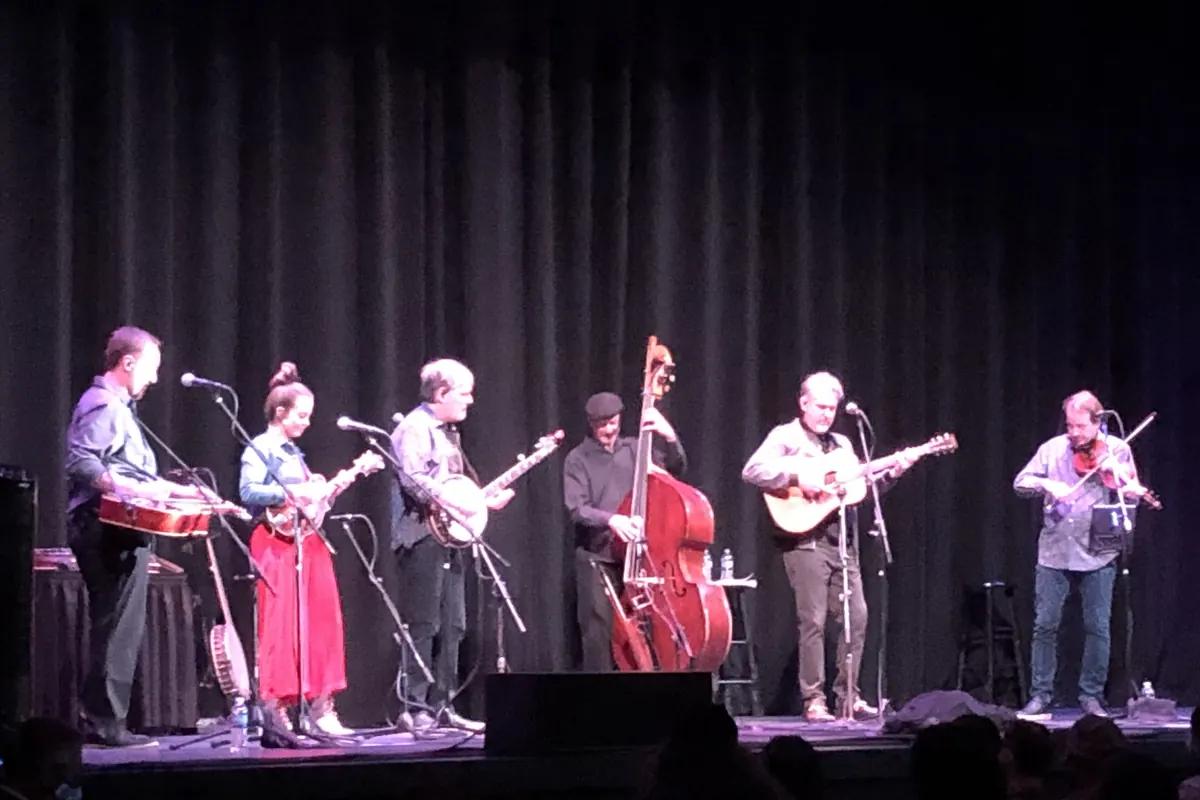
Bluegrass developed in the Appalachian region in the 1940s and is played on acoustic instruments: fiddle, mandolin, banjo, guitar and upright bass. Players take turns carrying the melody and improvising around it while the rest of the band keeps time, a habit it shares with jazz, and fast instrumental pieces called breakdowns show it off. Exposure on radio and television programmes such as the Opry inspired young musicians, many from outside the South, to take up the style during the folk revival of the early 1960s.
Honky-tonk and western swing
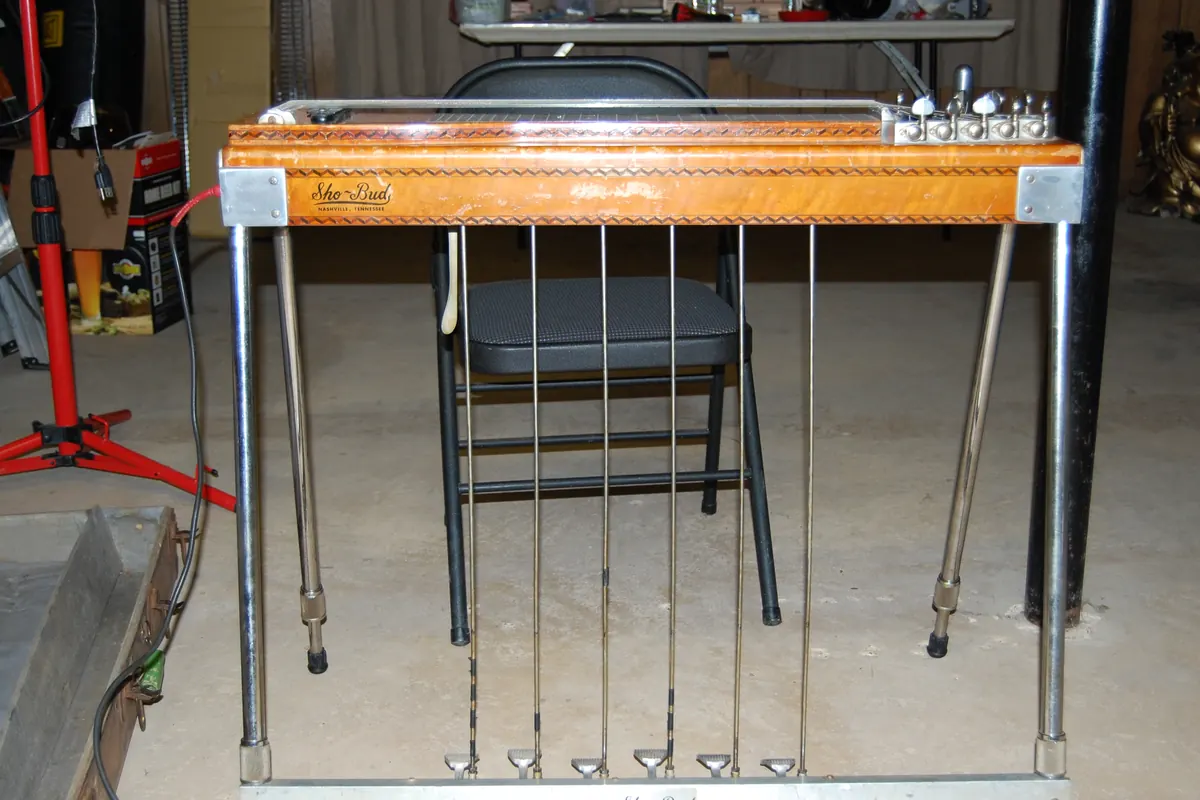
Honky-tonk names both a country music bar and the music played in it. Before the Second World War the industry used the word for the country music heard from Texas and Oklahoma to the West Coast, and it hit a golden age in the 1950s; Nashville, through venues like the Opry, carried it to a national audience. Western swing, also called country jazz, started in Great Plains dance halls in the late 1920s and early 1930s, with fiddles in the lead and an amplified steel guitar giving the band its edge.
Gospel
Gospel runs deep in this story. The Ryman, the Opry's home from 1943 to 1974, was built in 1892 as the Union Gospel Tabernacle, a hall for revival meetings, which is how it earned the nickname Mother Church of Country Music. Southern gospel, one of the strands you may hear, grew from the music of white musicians in the American South and is often called quartet music, after its traditional line-up of four men and a piano. When a gospel number comes on, listen for close harmony rather than instrumental solos.
Americana
Americana is a broad label for American roots music. The Americana Music Association describes it as the threads of country, folk, blues, soul, bluegrass, gospel and rock woven together, and says acoustic instruments are often central but a full electric band is common too. On an Opry night, an Americana act can sound quite different from the act before it, which is part of the pleasure of a mixed bill.
The comedy spot
Comedy has been on the Opry for most of its life. The show presents comedic performances and skits alongside the music, and the Opry has a long tradition of inviting comedians to become members of its cast; after a gap of five decades, it welcomed two new comedian members in the 2020s. The comedy is billed as family-friendly, so it works for a mixed audience. The Opry's centenary broadcast also gave time to instrumental fiddling, square dancers and Western bands, reminders that the show has always been more than a string of singers.
How to listen on the night
Do not look for a theme. The order is set by the Opry for each show, and the same night may move from a newcomer's first appearance to a member who has played the stage for decades. Watch the instruments: banjo and mandolin usually mean bluegrass, a steel guitar points to honky-tonk or western swing, and close vocal harmony often points to gospel. Then let the variety do its work. The full guide to whether the Opry is worth it covers the practical side.
Read next: Is the Grand Ole Opry worth it?
Sources